
University of South Wales, UK.
Generative AI is revolutionising healthcare, offering computer scientists a unique opportunity to contribute to life-saving technologies. The talk will highlight the role of traditional medical knowledge and clinical expertise in guiding these technologies, particularly in prompt engineering for large language models (LLMs). Effective prompts often require a nuanced understanding of medical terminology, workflows, and ethical considerations, making collaboration between technologists and healthcare professionals essential. The talk will examine how interdisciplinary approaches lead to more accurate, safe, and context-aware AI outputs. Attendees will gain insight into how their technical skills can be amplified by domain knowledge, and how they can contribute to building responsible, impactful AI solutions in medicine.
Andrew is Professor of Computing at the University of South Wales in the United Kingdom. His research interest centre on the use of intelligent computer systems (Artificial Intelligence and Data Science oriented solutions) to help solve real-world problems. Andrew is currently working on AI-related projects with several industrial and commercial partners that include Tata Steel, National Health Service Wales Informatics Service, and Wye Education. Andrew is also Director of Aurora International Consulting Ltd, an innovative software-as-a-service company that provides AI-enabled review software to the construction industry. Andrew is Director of Research for the Welsh Institute of Digital Information, a collaboration between the University of South Wales, the University of Wales Trinity Saint David, and the NHS Wales Informatics Service (NWIS). Andrew is a Regional Director of Techno Camps, an innovative and ambitious project that seeks to engage young people with computing and its cognate subjects. Moreover, Andrew is Editor in Chief of the journal Annals of Emerging Technologies in Computing (AETiC) Professor Ware teaches various computing courses including artificial intelligence, data mining and computer programming. Moreover, Andrew has successfully supervised nearly forty PhD students and has been an active participant in several international research and teaching projects.
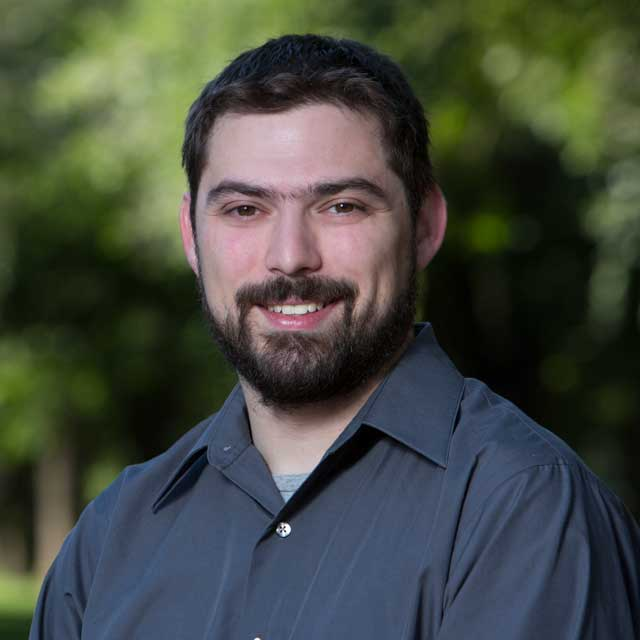
University of Nevada, Reno, USA.
As robotics and artificial intelligence increasingly enter classrooms, clinics, and communities, the central challenge is no longer whether machines can act intelligently, but whether they can act appropriately. Over the past decade, experimental research in human-robot interaction (HRI) has advanced understanding of how robots can interpret and respond to human needs, emotions, and social norms in real-world settings — from socially assistive robots supporting therapy and education to multi-robot systems collaborating with people in uncertain environments. This keynote will explore lessons from a decade of empirical HRI studies and their implications for the next generation of human-centered AI systems. It will also highlight recent work from the NSF AI Institute for Exceptional Education (AI4ExceptionalEd), which develops AI tools in close collaboration with speech-language pathologists to support children with communication challenges. Together, these efforts illustrate how co-design between humans and intelligent systems can foster technologies that are not only capable but compassionate — enhancing trust, accessibility, and inclusion as AI becomes part of everyday life.
Dr. David Feil-Seifer is a Professor of Computer Science and Engineering at the University of Nevada, Reno, and is the Founding Director of the Autonomous Robotics Center of Nevada (ARCoN). He also serves as the Graduate Director for the new Robotics M.S. degree program at UNR, furthering his commitment to advancing robotics education and mentoring the next generation of innovators. His research spans multiple critical areas in human-robot interaction and artificial intelligence. Dr. Feil-Seifer is a co-PI in the NSF AI Institute for Advancing Education (AI4EE), which aims to develop AI solutions to address the critical shortage of speech-language pathologists in the US education system. His work focuses on several key areas: Socially Assistive Robotics (SAR), a term he helped coin, with applications in healthcare and education; people-aware robot navigation that optimizes for both social appropriateness and goal-oriented behavior; and long-term human-robot interaction (lt-HRI), studying how humans develop and sustain relationships with robots in real-world settings. His research investigates how robots can effectively navigate social spaces while adhering to human social norms, recognizing that violations of these norms could lead to reduced acceptance and effectiveness of robotic systems. Dr. Feil-Seifer earned his B.S. in Computer Science from the University of Rochester, where he was a founding member of the Undergraduate Robot Research Team, winners of the 2002 AAAI Mobile Host Competition. He continued his studies at the University of Southern California’s Viterbi School of Engineering, receiving his M.S. and Ph.D. in Computer Science under the guidance of Prof. Maja Matarić. His doctoral work, which earned the USC VSoE Best Dissertation Award, laid the foundation for SAR applications in diverse healthcare contexts. Following this, he completed a postdoctoral fellowship at Yale University’s Social Robotics Lab, working with Prof. Brian Scassellati. Throughout his career, Dr. Feil-Seifer has received numerous accolades, including the NSF/CRA Computing Innovation Fellowship, the Mellon Award for Mentoring, and membership in the Order of Arete. His research contributions are complemented by a strong commitment to education and mentorship. He has mentored over 100 undergraduate students, many of whom have participated in research publications and gone on to successful careers in robotics and related fields. His projects often involve collaborative human-robot interaction (CHRI) and emphasize real-world applications in hospitals, homes, and disaster mitigation scenarios.
Muğla Sıtkı Koçman University, Türkiye.
This study presents a supervised smart parking decision support system that improves smart city idea for urban auto parks management. The developed system automatically detects parking occupancy by analyzing image data captured from surveillance cameras, transforming it into a binary classification of occupied or vacant spaces. A classifier which utilizes an optimized kernel structure achieves robust decision boundaries capable of handling environmental variability. The communication protocol used in the system ensures seamless communication between edge devices and user interfaces, enabling dynamic updates and real-time synchronization.. We have used several evaluation metrics, to demonstrate high accuracy and efficiency in the study. The obtained results indicate that the proposed framework offers a scalable, cost-effective solution for modern city infrastructure, reducing search times and enhancing resource utilization for a sustainable urban life.
İlhan Tarımer currently works as a professor that teaches fields of internet of things in Muğla Sıtkı Koçman University Information Systems Engineering Department. His works mostly focuse on microcomputer systems, mobile programming, software development, sensory networks, and decision support systems. İlhan Tarımer who published many peer-reviewed international journals & conference papers, personally took part in many trans national scientific projects and carried out vocational projects as well. Further, he refereed & observed in industrial Research and Development projects of internet of things, and have stand as member of the international scientific research groups.
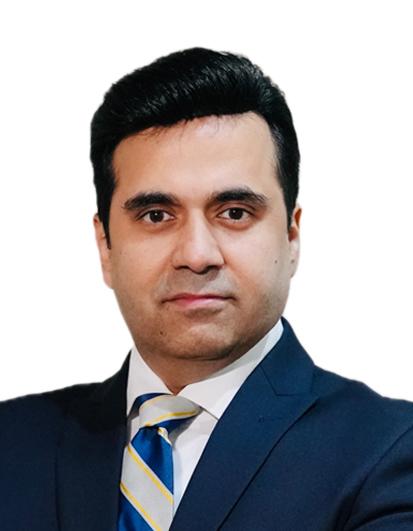
Pakistan National Center of Artificial Intelligence (NCAI).
Artificial Intelligence (AI) is one of the most rapidly developing technologies of the world today and is considering to be on the very leading edge expanding the global technology frontier as we know it. World leaders, CEOs of multinational corporations, pioneering entrepreneurs, innovators, technology magazines etc, all unequivocally put AI at the top of their wish list, going as far as calling Artificial Intelligence ‘the new electricity’ that is expected to be an integral part of any and all systems of the future. Walk the journey of Artificial Intelligence in Pakistan with the very scientist who founded Pakistan’s first Department of Robotics and Artificial Intelligence at NUST as early as 2010; then founded Pakistan’s National Center of Artificial Intelligence (NCAI) in 2018 which he currently leads as its Chairman; and is also the lynchpin of the National AI Task Force leading the charge for AI development across various sectors of the country. How does AI find relevance in a developing country like Pakistan? What groundbreaking technologies is NCAI developing? And what does the future hold for us in the rapidly evolving era of AI driven technology development? Find out in this interactive session with Pakistan’s very own Prof. Dr. Yasar Ayaz (Pride of Performance).
Prof Dr Yasar Ayaz is the Founding Chairman and Central Project Director of Pakistan National Center of Artificial Intelligence (NCAI) headquartered at National University of Sciences and Technology (NUST) in Islamabad. He also founded Pakistan first Department of Robotics & Artificial Intelligence at NUST in 2010 where he is also currently a full Professor. He holds international Adjunct Professor titles at Tohoku University, Japan and China University of Mining and Technology, Beijing. He is the author of over 150 international publications and has won international best paper awards in London, UK and Sydney, Australia in 2018 and 2013 respectively. He also has 3 product design patents registered in his name with several more under review. He has delivered more than 80 invited and keynote talks at prominent venues including USA, Japan, UK, South Korea, China, Italy, Belarus, Norway, Morocco, Saudi Arabia etc and has won and developed projects of 2.5 Billion Pakistan Rupees including international grants and national consortium based projects. In addition to winning President Gold Medal, University Best Teacher Award, Best Researcher Award, Best Innovator Award and Top Performer BRAIN Award at NUST, Prof Yasar is also a recipient of the Engineers Excellence Award of Pakistan Engineering Council (PEC) and has also won IEEE Medal of Achievement as well as Lifetime Achievement Award of IEEE Islamabad Section which are the highest awards of these respective prestigious organizations. In recognition of his services to Pakistan in the field of AI and Robotics, he has been conferred with the Presidential Award for Pride of Performance by the President of Pakistan in 2021.

Queen Mary University of London, UK.
The motivation for using low-cost Air-quality (AQ) or pollution sensors to monitor AQ is that we can monitor far more finely-grained spatial regions than if we use, few very high-cost, accurate, reference, calibrated, coarse-grained spatially-distributed sensors. We seek to avoid presuming falsely that AQ remains uniform across for example an urban region due to environmental canyon effects, micro-climates, etc., when & where otherwise relatively few, coarse-grained spatially distributed, high-cost sensors may be deployed and maintained to monitor AQ. However, despite numerous studies to date that have investigated the use of low-cost sensors to monitor AQ mainly in urban areas, our knowledge gap of the data quality of such sensors is the tip of the iceberg. This has been to date insufficiently, rigorously, investigated. Through, constructing, operating and analysing data over 6 months from a 7 node low-cost AQ indoor and outdoor sensor network, across a region of London, centred around Queen Mary University of London (QMUL), our design innovations, findings, outcomes and recommendations are highlighted in this talk.
His current research & innovation focus is on AI-driven, data science-driven, and geoscience-driven Internet of Things (IoT), models to enhance how we physically sense and analyse human location and motion behaviour shifts, and physical environment changes, both outdoors and indoors. Since his physics degree and PhD medical sensing data analytics (during open heart surgery) PhD, he relishes working on multi-disciplinary projects in medicine, transport, biology, robotics smart materials, etc. He is director of the QMUL IoT Lab and regarded by Stanford University as being in the top 2% of scientists world-wide.
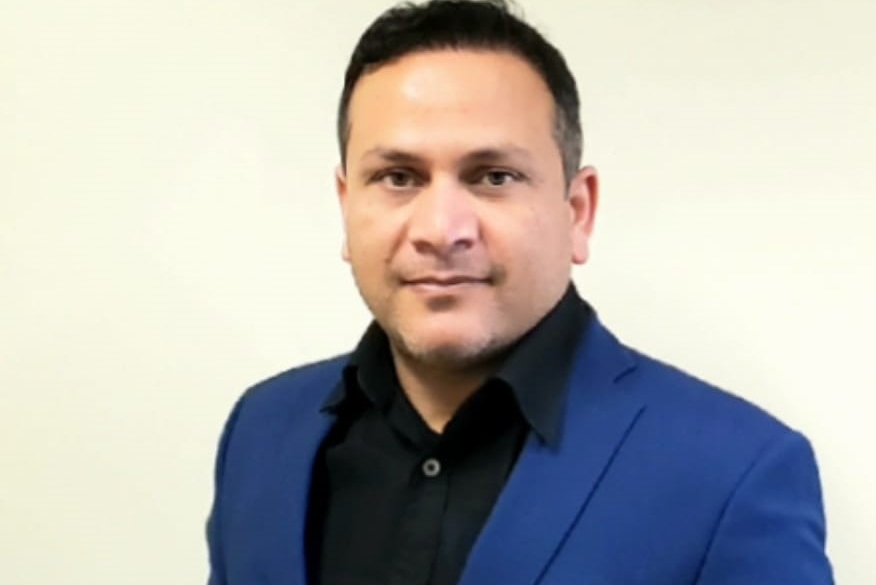
Nottingham Trent University , UK.
We stand at the precipice of a new societal paradigm: Society 5.0. This keynote will explore how the synergistic fusion of 6G wireless technology and Industrial Artificial Intelligence (AI) is paving the way for this super-smart society. Moving beyond the information age, I will examine how AI is evolving from a mere application to a core tool for communication, enabling a world where connected machines and digital twins become the primary users of the network. I will delve into the technological frontiers, including photonic-defined transceivers that will overcome the limits of Moore Law, providing the extreme bandwidth required for immersive experiences and seamless cyber-physical integration. Through concrete case studies in healthcare, mobility, and infrastructure, this talk will illustrate how 6G and AI are not just technological upgrades but foundational forces driving us toward a more sustainable, efficient, and human-centric future in Industry 5.0.
Shahid Mumtaz is an Innovative strategist with strong business acumen and a passion for innovation, driving concepts, research, standards, prototypes, and products from conception to market. Demonstrated ability to establish cross-departmental, multidisciplinary, multi-site, and multicultural collaborative teams and programs. Shahid Mumtaz has more than 15 years of experience in the wireless industry/academic experience. Shahid Mumtaz received his Master and PhD degrees in Electrical & Electronic Engineering from the Blekinge Institute of Technology, Sweden, and the University of Aveiro, Portugal, in 2006 and 2011, respectively. From 2005 to 2006, at Ericsson and Huawei Research Labs in Sweden. Shahid Mumtaz is a full professor at Nottingham Trent University (NTU), UK, and a Board member of the SWFIT (Smart Wireless Innovation Facility) Centre at NTU, valued at 15M Euro. He also has adjunct positions with several universities across the Europe-Asian Region. Shahid Mumtaz is an IET Fellow, IEEE ComSoc/VTS Distinguished speaker, recipient of the IEEE ComSoc Young Researcher Award, founder and past EiC of IET "Journal of Quantum Communication," Vice-Chair: Europe/Africa Region- IEEE ComSoc: Green Communications & Computing society and Vice-chair for IEEE standard on P1932.1: Standard for Licensed/Unlicensed Spectrum Interoperability in Wireless Mobile Networks. His work resulted in technology transfer to companies and the patenting of technology. His expertise lies in 5G/6G wireless technologies, using AI/ML and Digital Twin tools, and in an innovation path towards industry and academia. Moreover, he worked as a Senior 5G Consultant at Huawei and InterDigital, contributing to RAN1/RAN2. He has authored four technical books, 12 book chapters, and 300+ technical papers (300+ Journals and Transactions, 100+ Conferences, 4 patents, 2 contributions to Standards, and 2 IEEE best paper awards in mobile communications). In addition to his work in data science, he has contributed to Wireless communication, with more than 27,000 citations and an H-index of 85. He has been supervising/co-supervising several PhD and Master students. He uses mathematical and system-level tools to model and analyse emerging wireless communication architectures using AI/ML, leading to innovative, theoretically optimal new communication techniques. He is working closely with leading R&D groups in the industry to transition these ideas to practice. He has secured funding of around 10M Euro. His research has influenced international wireless standard bodies (e.g., IEEE and 3GPP), and major manufacturers have also incorporated his work in LTE releases 12 onwards, including 5G NR. Furthermore, he gave invited tutorials/talks at IEEE conferences and in the mobile industry, and delivered invited lectures at various foreign universities. Moreover, he is a scientific expert and evaluator for Research Funding Agencies and patent offices (Sisvel Group), including the EU, COST, and NSF China. As a result, he was awarded an "Alain Bensoussan fellowship "in 2012. In addition, he received the NSFC Visiting Researcher Fund for Young Scientists in 2017.

Allama Iqbal Medical College, Pakistan.
Artificial intelligence is transforming every dimension of cancer care from early detection and digital pathology to predictive modeling and personalized therapeutics. By integrating radiomics, genomics, and clinical data, AI provides insights beyond human cognitive limits, enhancing accuracy, reducing diagnostic delays, and supporting evidence based decision making. This talk highlights how AI augments the role of oncologists, improves clinical outcomes, and brings high quality cancer care while maintaining ethical use and responsible implementation.
Dr. Amjad Zafar is a consultant medical oncologist in Lahore, Pakistan with varied clinical and research interests. He works as a consultant in PKLI, Jinnah hospital besides a few other institutions. His clinical interests include GI oncology especially liver cancers, Lung and Breast cancers amongst others. His academic interests include the application of artificial intelligence in cancer diagnosis, workflows, and precision medicine. Dr. Zafar actively participates in national and international Oncologic collaborations and has numberous publications to his credit.
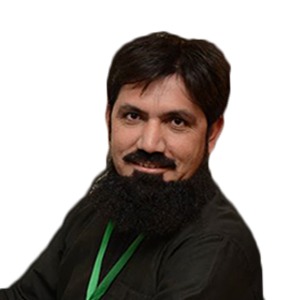
Shenzhen University, China.
Machine unlearning, essential for privacy-preserving AI, faces fundamental challenges in generalizability, theoretical soundness, and computational efficiency across diverse forgetting tasks. To address these limitations, we propose Core Unlearning (CU), a novel, unified framework that seamlessly integrates Exact Unlearning (EU) and Approximate Unlearning (AU) into a single, multi-modal architecture. The CU framework transcends conventional boundaries by supporting feature-, class-, task-, and stream-based forgetting through a hybrid design. Our EU module achieves high-fidelity forgetting via Negative Preference Optimization (NPO) and Hessian-guided gradient ascent, attaining 95.2% retraining equivalence. Conversely, the AU module ensures scalability using efficient techniques like Projection-Based Residual Adjustment (PBRA) and Influence-Based Gradient Pruning (IBGP), achieving 92.3% forgetting accuracy. A key innovation is the hybrid fusion mechanism, which allows dynamic switching between EU and AU pathways based on application-specific requirements, enabling a flexible trade-off between precision and speed. We introduce the Core Unlearning Benchmark Score (CUBS), a theoretically-grounded metric derived from constrained optimization, to provide a standardized, reproducible evaluation of the complex interplay between accuracy, privacy, and cost. Extensive experiments on six benchmark datasets, CIFAR-10, CIFAR-100, IMDB4K, CORA, FEMNIST, and MVTec AD, demonstrate that CU outperforms state-of-the-art methods in forgetting fidelity, model utility retention, and privacy preservation. This work establishes a robust, mathematically rigorous foundation for scalable and trustworthy machine unlearning.
Saeed Iqbal, Ph.D., is a distinguished Deep Learning Scientist and Research Associate Professor whose career is defined by over 19 years of combined professional experience, including more than 16 years dedicated to academia and advanced computational research. He currently serves as a Research Associate Professor at the College of Mechatronics and Control Engineering at Shenzhen University, China, specializing in cutting-edge AI methodologies for intelligent systems. Dr. Iqbal’s research expertise is centered on Deep Learning methodologies applied to Multi-modal Medical Image Analysis. His work focuses on developing robust and secure AI systems for critical applications such as tumor detection, disease diagnosis from radiology images, and mitigating challenges like model bias and data privacy in healthcare. His doctoral research, completed at the University of Central Punjab (UCP) in May 2023, pioneered Adaptive Self-learning Systems for medical image analysis. Today, his research portfolio is at the forefront of robust AI, specializing in: •Federated Learning: Training models on decentralized datasets to ensure patient data privacy and security. Continual Learning & Machine Unlearning: Creating models that can adapt to new information over time without forgetting old knowledge, and implementing methods for models to legally and ethically ’forget’ specific data points. Explainable AI (XAI): Developing interpretable deep learning models, such as the AD-CAM framework, to provide transparent and actionable insights that clinicians can trust. •Multimodal Integration: Integrating large vision-language models (LVLMs) with diverse medical modalities (imaging, clinical notes) to improve diagnostic accuracy and factual consistency in radiology reporting. Dr. Iqbal is a highly influential researcher, evidenced by his authorship/co-authorship of 41 peer-reviewed international publications, including articles in high-impact journals such as IEEE Transactions on Fuzzy Systems, Neural Networks, Neurocomputing, Information Processing & Management, and Expert Systems with Applications. His research influence is recognized by an h-index of 12 and over 589 citations. He has also been repeatedly honored as a Level-1 Researcher (2022, 2023, 2024) and received the Faculty-wide Best Research & Innovator Award (2022).
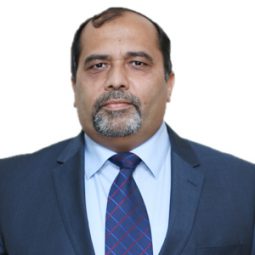
University of Central Punjab, Pakistan.
This presentation briefly surveys the core concepts and standards in modern speech coding. It reviews the spectral and temporal characteristics of speech, the linear predictive model of the vocal tract, and analysis-by-synthesis frameworks underpinning CELP-based coders. Key coding families—waveform coders, parametric vocoders, and hybrid LPC/CELP architectures—are examined with respect to bit-rate efficiency, quantization strategies, and perceptual quality optimization. The talk also outlines major standardization efforts (ITU-T, ETSI, 3GPP) that define codec performance targets for telephony, VoIP, and mobile networks. Emphasis is placed on coding delay, robustness to channel impairments, and the algorithmic techniques enabling narrowband and wideband speech at rates from 64 kbps PCM down to sub-4 kbps parametric coders.
Muhammad Sarwar Ehsan is professor of electrical engineering at University of Central Punjab, Lahore, Pakistan. He received MPhil degree in electronics from Qauid-e-Azam University, Islamabad in 1998 and PhD degree in electrical engineering from Graz University of Technology, Austria in 2007. His research interests include signal processing, multimedia processing, communication and information theory. He has been teaching since 1997 and worked in different institutes including GC University Lahore, Graz University of Technology Austria, COMSATS Institute Lahore and the University of Lahore. In 2014, he joined University of Central Punjab.
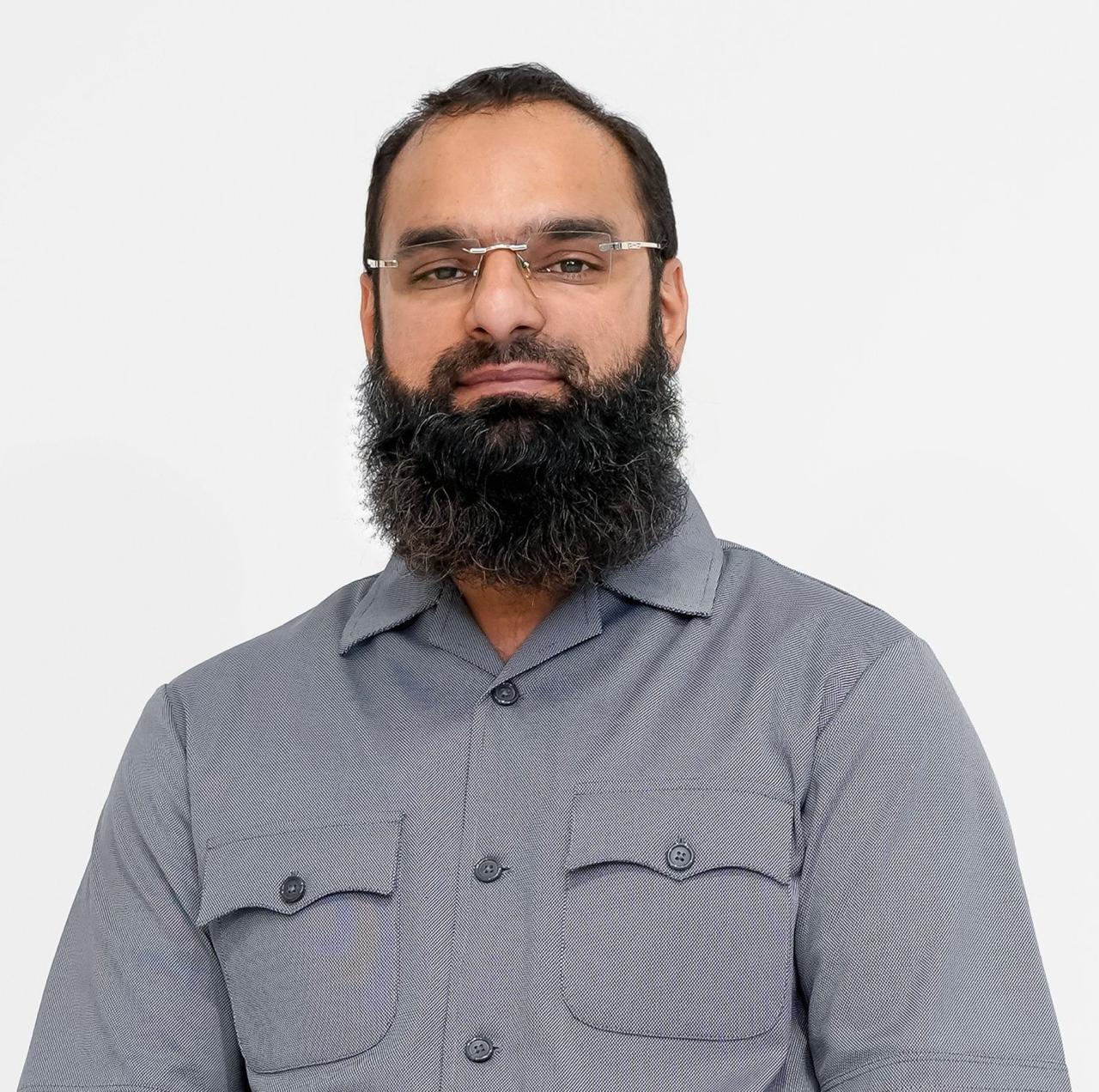
University of Punjab, Pakistan.
The global transition toward sustainable and resilient energy systems has accelerated the evolution of traditional power grids into highly interactive, data-driven smart grids. As billions of electronic devices, circuit-level sensors, and communication nodes are interconnected, the modern grid is rapidly transforming into an intelligent energy network. This keynote explores how Artificial Intelligence (AI) is redefining the monitoring, optimization, and control of smart grids by leveraging advanced communication infrastructures and real-time analytics. The talk highlights how AI-enhanced communication systems; ranging from edge intelligence and 5G-enabled IoT frameworks to digital twins, distributed sensing, and predictive models; enable unprecedented visibility and decision-making in power systems. Key applications include adaptive voltage and frequency regulation, renewable energy forecasting, autonomous fault detection and localization, cyber-physical security, and optimal energy management during grid disturbances or congestion. The integration of machine learning with power electronics, FACTS controllers, and distributed energy resources further empowers the grid to operate flexibly under variable and uncertain conditions. By merging smart grid technologies with AI-driven communication intelligence, energy networks evolve from static infrastructures into self-learning, self-healing, and self-optimizing ecosystems. This keynote provides a forward-looking perspective on how intelligent energy networks will shape future power systems, emphasizing research directions, implementation challenges, and real-world applications critical for academia, industry, and policymakers.
Kamal Shahid is an accomplished academic and researcher currently serving as an Assistant Professor at the University of the Punjab, Lahore, Pakistan. With a PhD and Post-Doctoral fellowship from Aalborg University, Denmark, he specializes in smart grid technologies, renewable energy integration, and advanced communication networks. His research spans AI for Smart Energy Systems, where he applies machine learning and Generative AI to optimize energy distribution and grid resilience, and AI for beyond 5G/6G networks, focusing on intelligent communication strategies for ultra-reliable, low-latency applications. Dr. Shahid also works on implementing IEC-based standards for smart grids and has contributed to Danish and EU-funded projects. His multidisciplinary expertise in AI, machine learning, and communication technologies positions him as a key contributor to sustainable energy and next-generation networks.
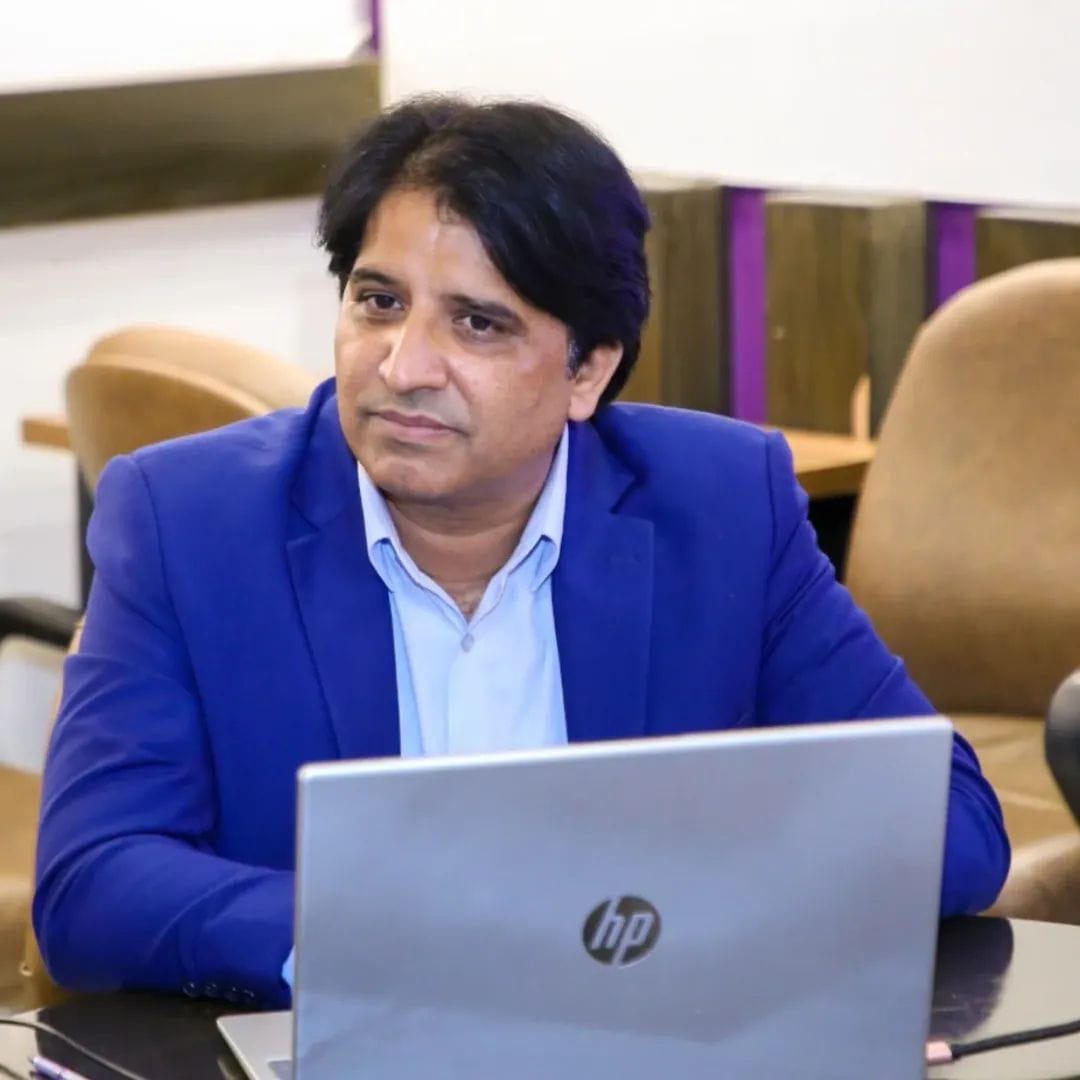
Superior University, Lahore, Pakistan
The integration of Artificial Intelligence (AI) in healthcare is revolutionizing how we diagnose, treat, and manage diseases. "Healing with Intelligence: The Role of AI in Next-Gen Healthcare" explores the transformative potential of AI-driven technologies in enhancing patient care, optimizing clinical workflows, and supporting medical decision-making. From predictive analytics and image recognition to robotic surgeries and personalized medicine, AI is addressing critical challenges like early disease detection, treatment accuracy, and resource allocation. This talk highlights current applications, emerging trends, and the ethical dimensions of AI in healthcare, offering a futuristic vision where intelligent systems work alongside professionals to deliver smarter, faster, and more inclusive care.
Prof. Dr. Arfan Jaffar is a distinguished academic and visionary leader currently serving as the Dean, Faculty of Computer Science & Information Technology at Superior University, Lahore. With a rich blend of experience in teaching, research, and academic leadership, he has played a pivotal role in advancing computer science education in Pakistan. Dr. Jaffar holds a PhD in Computer Science, specializing in Artificial Intelligence and Image Processing. He has numerous national and international publications to his credit and is actively involved in research, supervision of PhD and MS scholars, and academic collaborations. Under his leadership, the Faculty of CSIT at Superior University has seen significant growth in curriculum innovation, industry linkage, research output, and program accreditations. His key focus areas include AI, data science, cybersecurity, and academic excellence with character building, aligning with Superior University mission of creating purposeful impact.
University of Central Punjab, Pakistan.
The rapid growth of distributed energy resources—especially photovoltaic (PV) systems, inverter-based loads, and electric vehicles (EVs)—is reshaping the operational behavior of Pakistan’s power grid. This presentation reviews emerging Power Quality (PQ) and Energy Efficiency (EE) challenges as the system moves toward a prosumer-based model. Key PQ issues such as harmonics, voltage fluctuations, unbalance, and transients are examined, with emphasis on harmonic generation from semiconductor-based loads (inverter-driven ACs, refrigeration, lighting, UPS systems) and their effects on grid operation, protection, and the point of common coupling (PCC). The talk outlines how growing PV penetration and future EV charging demand may cause transformer overloading, harmonic distortion, reverse power flow, and localized voltage rise, stressing weak distribution feeders. Concepts such as line impedance impact, harmonic suppression, displacement and distortion power factor, and delta windings for triple-n harmonic mitigation are also discussed.
Dr. Ali Ahmad is an Assistant Professor in the Department of Electrical Engineering at the University of Central Punjab (UCP), Lahore. He specializes in Electric Power Engineering, with research contributions in Power Quality, Energy Efficiency, Power System Economics, Electricity Market Operations, VSC-MTDC Optimization, and advanced power system simulation using PSCAD/EMTDC, ETAP, and PSS/E. His academic and administrative roles at UCP support program accreditation, curriculum development, and quality assurance activities within the department. His work spans teaching, research, and industry collaboration, with a strong focus on strengthening Pakistan’s transition toward modern, efficient, and digitally enabled power systems.
International Islamic University, Islamabad, Pakistan.
Cardiovascular diseases (CVDs) remain a leading global health challenge, emphasizing the need for advanced diagnostic systems that enable accurate detection and classification. This study presents a novel deep learning framework based on a dense and inverted bottleneck residual mechanism, integrating two custom convolutional neural network architectures: an 8-block Dense Model and a 9-block Inverted Bottleneck Layered Model. These models are designed to extract multiscale features from cardiac MRI scans for precise classification across five CVD categories. We enhance image quality using Contrast-Limited Adaptive Histogram Equalization (CLAHE) in the preprocessing pipeline and apply data augmentation to address class imbalance and promote model generalization. Atom Search Optimization (ASO) is employed to reduce feature dimensionality while retaining critical information, and a serial feature fusion strategy is used to integrate the optimized feature vectors. Classification is performed using several neural network variants (Narrow NN, Medium NN, Wide NN, and Bi-Layered NN). The proposed method is evaluated on both the ACDC and Sunnybrook Cardiac data (SCD) datasets, achieving superior accuracies of 97.3% and 96.8% respectively, compared to state-of-the-art techniques, demonstrating its effectiveness for cardiovascular disease diagnosis.
Muhammad Nazir is currently serving as an Associate Professor and Chairman in the Department of Computer Science at the International Islamic University Islamabad (IIUI), Pakistan. He earned his MS degree in Computer Science from the National University of Computer and Emerging Sciences (NU-FAST), Islamabad, and completed his Ph.D. in Computer Science at Islamia College Peshawar, Pakistan. With more than 23 years of academic experience, he has taught in various public and private universities across Pakistan before joining IIUI in January 2025. Over the course of his career, he has authored and co-authored more than 60 research publications in reputable international journals and conferences, along with three book chapters. His research interests lie primarily in computer vision, machine learning, and deep learning, where he continues to contribute through his academic, research, and supervisory roles.

Quaid-e-Azam University, Pakistan.
The talk will focus on what Artificial Intelligence, specifically deep learning, is, its applications in the electronic design and automation industry, and how deep learning can transform this field.
Ayyaz Hussain is currently working as Professor & Chairperson of the Department of Computer Sciences at Quaid-i-Azam University Islamabad. From 2010 to 2020 he was Associate Professor and Chair of the Department of Computer Science & Software Engineering at International Islamic University Islamabad. He worked as Research Professor at Gwangju Institute of Science and Technology South Korea from 2013-2014. During 2000 to 2010 he served as Software Engineer at National Engineering and Scientific Commission. Dr. Hussain received his PhD from National University of Computer and Emerging Sciences (NUCES-FAST) in 2009. His research interests include Image processing, computer vision, machine learning and deep learning. He has published more than 40 journal articles along with number of conference papers. He has supervised more than 12 PhD and 30 MS students.
Institute of Management Sciences Peshawar, Pakistan.
This talk explores the transformative journey of AI in software engineering, framing it as a story of augmentation rather than replacement, where human expertise partners with AI to elevate capabilities. Beginning with early recommender systems and predictive models based on metrics, it traces the evolution through deep learning breakthroughs and the shift to treating software as text, culminating in generative AI power for code generation, repair, and optimization. Delving into practical applications across the software lifecycle—including defect prioritization, continuous code violation detection, and automated program repair—the presentation highlights measurable gains in quality and efficiency, while addressing evaluation challenges and the need for trust through verification and fine-tuning. It also examines emerging risks in legal, ethical, and security domains, calling for governance measures such as Software Bills of Materials (SBOMs) and capacity building within organizations. The talk concludes by underscoring the ongoing role of expert engineers and the need for prompt engineering, verification, and responsible adoption practices.
Dr. Sajid Anwar is a Professor at the School of Computer Science and Information Technology, Institute of Management Sciences (IMSciences), Peshawar. He received his PhD in Software Engineering (2011) from NUCES-FAST, Islamabad. He previously served as Head of the Undergraduate Program in Software Engineering at IMSciences. Dr. Anwar is a leading researcher in software engineering, machine learning, and search-based software engineering. His work spans cross-disciplinary and industry-focused areas, including prudent-based expert systems, customer analytics, active learning, search-based software engineering, and the application of data mining and machine learning techniques to real-world problems. He serves as Associate Editor for Computers & Electrical Engineering (Elsevier), PLOS ONE, Expert Systems (Wiley), and Network: Computation in Neural Systems (Taylor & Francis). He has also been a Guest Editor for several journals, including Neural Computing and Applications, Cluster Computing, Grid Computing, Expert Systems, Transactions on Emerging Telecommunications Technologies, and Computational and Mathematical Organization Theory. Dr. Anwar is a member of the Board Committee of the Institute of Creative Advanced Technologies, Science and Engineering (iCatse), Korea. He has led and contributed to collaborative research with government organizations and academic institutions, and has published more than 80 research papers in reputable journals and conferences. He has supervised and co-supervised numerous PhD and MS students. He served as International Chair for the 15th, 16th, and 17th International Conference on Information Technology and Applications (ICITA), and is the General Chair for ICITA 2025 (19th International Conference on Information Technology and Applications).
Information Technology University of Punjab, Pakistan.
Oil spills occurring on the surface of seas and oceans pose a serious threat to marine and coastal ecosystems. Such incidents typically result from ship accidents, unlawful discharge of oily waste during vessel cleaning, or natural seepage from subsea reservoirs. Synthetic Aperture Radar (SAR) has proven highly effective for monitoring and analysing oil spills due to its capability to operate under all-weather and day–night conditions. In SAR imagery, oil spills generally appear as dark patches and can sometimes be identified through simple visual inspection. However, a major challenge is distinguishing true oil spills from look-alike phenomena, such as low-wind zones, algal blooms, or grease ice, that exhibit similar dark signatures. In Pakistan’s territorial waters, many oil spill events historically go undetected until the oil reaches coastal regions or is accidentally spotted during patrol operations. This underscores the urgent need for a remote-sensing-based operational framework for detecting oil spills in Pakistan’s Exclusive Economic Zone (EEZ) in the Arabian Sea. In this talk, we present the application of an encoder–decoder convolutional neural network trained on an annotated dataset of verified oil spill events provided by the European Maritime Safety Agency (EMSA). The dataset includes multiple classes: sea surface, oil spill, look-alikes, ships, and land. Using Sentinel-1 SAR imagery acquired over the EEZ from January 2017 to December 2023, we compiled a comprehensive repository vetted by SAR experts to confirm and trace actual spill occurrences. When evaluated on this repository, our trained model detected 92 previously unreported oil spill events over the seven years. The year 2020 recorded the highest number, with 26 spills, while 2023 had 10 detected events. In terms of total contaminated surface area, 2021 was the most severe year, with approximately 395 sq. km covered by oil or oil-like substances. Overall, these findings highlight a critical environmental concern and reinforce the need for continuous monitoring and actionable response mechanisms.
Dr. Muhammad Adnan Siddique is an assistant professor working at the Information Technology University (ITU) in Lahore, Pakistan, where he leads the GRSS Lahore chapter. He was the founding member since the chapter’s beginning in May 2023. He earned his PhD in Earth Observation and Remote Sensing from ETH Zurich in 2018 and went on to establish the Remote Sensing and Spatial Analytics (RSA) Lab in his current role at ITU. With an interdisciplinary background spanning remote sensing, environmental monitoring, telecommunications, and engineering, Dr. Siddique works on a range of diverse topics across the world of geoscience and remote sensing.
Islamia College, Peshawar, Pakistan.
Artificial Intelligence (AI) is rapidly transforming global economies by reshaping labor markets, accelerating automation, and driving innovation across all major sectors. With generative AI now capable of automating up to one-fourth of current work tasks and contributing an estimated 7% boost to global GDP, the technology represents both an unprecedented opportunity and a challenge for developing nations. This talk explores the economic impact of AI through a global lens and contextualizes its implications for Pakistan’s socio-economic landscape. The session highlights emerging trends in AI investment, productivity gains, sector-wise adoption, and the rise of AI-powered products, services, and industries. It further examines Pakistan’s readiness for AI-driven transformation, focusing on national policies, workforce development, R&D infrastructure needs, and the critical role of indigenous innovation. Key challenges such as skill gaps, data governance, policy execution, and ethical considerations are discussed alongside major opportunities, including youth potential, digital public service transformation, industrial modernization, and international partnerships. The talk emphasizes how Pakistan can strategically leverage AI to accelerate economic growth, strengthen competitiveness, and transition toward a knowledge-based, innovation-driven economy. It proposes actionable pathways for integrating AI into education, public services, and industry ultimately positioning Pakistan to harness the full potential of the global AI revolution.
Pro Dr. Zahoor Jan is an academic and researcher serving as Project Director of the Center of Excellence for STEAM in Khyber Pakhtunkhwa, where he leads strategic initiatives to strengthen STEM education, faculty development, and international collaborations. He is also Professor of Computer Science at Islamia College Peshawar. His research interests include machine learning, data science and educational technologies. Prof. Dr. Zahoor has published extensively in high-impact international journals and has presented his work at renowned national and international conferences. His scholarly contributions, coupled with his leadership in STEM transformation, make him an active contributor to Pakistan’s academic and research landscape.